- BCC-School of science: in this one you have games of plants in the environment.
- Quiz 5 kingdoms: in this one you have a quiz of the 5 kingdoms.
- Plant & Animal Cells for Kids: in this one you can choose to do a quiz to see a video...
jueves, 10 de diciembre de 2015
GAMES OF LIVING THINGS
Here you have some living things games:

miércoles, 9 de diciembre de 2015
THE 5 KINGDOMS
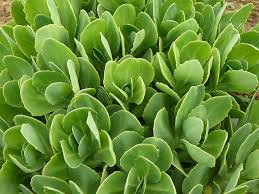
The plant kingdom:
Plants are multicellular living things that make their own food through photosynthesis. They can not move because their roots are fixed to the ground.
The animal kingdom:
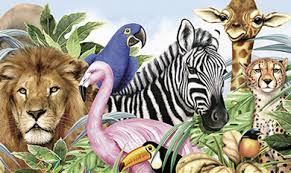
Animals are multicellular living things that feed on other living things. Most of the animals move to forage for food, to find shelter or to scape from predators.
The algae and protista kingdom:
The algae: can be unicellular and multicellular living things. They make their own food but they don´t have true tissues or organs.

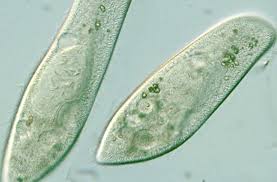
The protista: they are unicellular living things that feed on other living things. Protozoa and paramecium are 2 examples
The bacteria kingdom:
The fungus kingdom:
The fungus can be unicellular (yeast) and multicellular (mushrooms) living things. They eat the remains of dead living things. In addition fungi like plants can´t move. Fungi doesn´t have tissues or or organs.
Plants are multicellular living things that make their own food through photosynthesis. They can not move because their roots are fixed to the ground.
The animal kingdom:
Animals are multicellular living things that feed on other living things. Most of the animals move to forage for food, to find shelter or to scape from predators.
The algae and protista kingdom:
The algae: can be unicellular and multicellular living things. They make their own food but they don´t have true tissues or organs.
The protista: they are unicellular living things that feed on other living things. Protozoa and paramecium are 2 examples
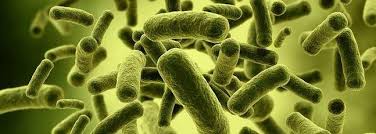
The bacterias are unicellular living things. They don´t have a defined nucleus. The bacterias can make their own food but also they eat other living things.
The fungus kingdom:
The fungus can be unicellular (yeast) and multicellular (mushrooms) living things. They eat the remains of dead living things. In addition fungi like plants can´t move. Fungi doesn´t have tissues or or organs.
M. RINGER
M.RINGER is the way to learn some functions that some living things do.
M - MOVEMENT: Certain parts of them can move.
R-REPRODUCTION: Produce new lives.
I- INTERACTION: React to changes in the environment.
N-NUTRITION: Take in food to obtain energy.
G-GROWTH: Grow and change.
E-EXCRETION: Get rid of the wastes they produce.
R-RESPIRATION: Exchanges gases with the atmosphere.
M - MOVEMENT: Certain parts of them can move.
R-REPRODUCTION: Produce new lives.
I- INTERACTION: React to changes in the environment.
N-NUTRITION: Take in food to obtain energy.
G-GROWTH: Grow and change.
E-EXCRETION: Get rid of the wastes they produce.
R-RESPIRATION: Exchanges gases with the atmosphere.
UNIT 3 : THE LIVING THINGS
We are livings things because we do the 3 vital functions. REPRODUSTION,INTERACTION AND NUTRITION.
Nutrition
Take in food to obtain energy.
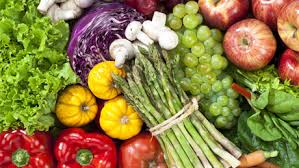
Plants make their own food by photosynthesis.
Animais can´t produce their own food so they feed on other living things.
Decomposters such as bacteria and funfi, feed on of the remains of the animals.
Reproduction
Is to produce new lives.
ASEXUAL: occurs when only one organismis requiredas inthe case of bacteria
SEXUAL:2 different types of individuals are required male and female.

Interaction
ract to changes in the environment.
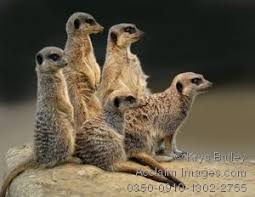
A change in the environment can cause a reaction. We call the change stimulus and the reaction response.
Nutrition
Take in food to obtain energy.
Plants make their own food by photosynthesis.
Animais can´t produce their own food so they feed on other living things.
Decomposters such as bacteria and funfi, feed on of the remains of the animals.
Reproduction
Is to produce new lives.
ASEXUAL: occurs when only one organismis requiredas inthe case of bacteria
SEXUAL:2 different types of individuals are required male and female.
Interaction
ract to changes in the environment.
A change in the environment can cause a reaction. We call the change stimulus and the reaction response.
miércoles, 4 de noviembre de 2015
THE ELEMENTS OF THE CLIMATE
There are 5 elements of climate:
Temperature:
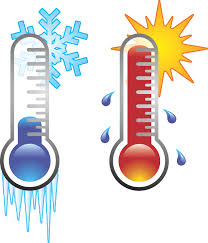 The amount of heat in the air.
Unit: degrees Celsius (ºC) or degrees Fahrenheit (ºF).
Instrument: Thermometer
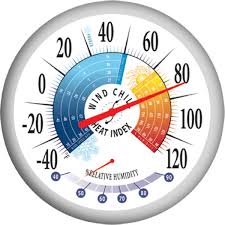
Humidity
The amount of water vapour in the air.
Unit: percentage (%). Instrument: hygrometer
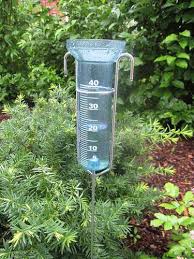
Precipitation
water that falls from the clouds
Unit: mm
Instrument: rain gauge
Wind
the movement of air in the atmosphere
Unit: Km/h
Instrument: anemometer

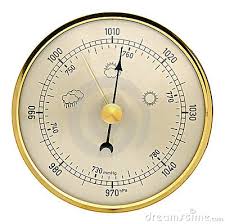
Atmosphere pressure
the weight of the air in the atmosphere
Unit: (hPa)
Instrument: barometer
Temperature:
Unit: degrees Celsius (ºC) or degrees Fahrenheit (ºF).
Instrument: Thermometer
Humidity
The amount of water vapour in the air.
Unit: percentage (%). Instrument: hygrometer
Precipitation
water that falls from the clouds
Unit: mm
Instrument: rain gauge
Wind
the movement of air in the atmosphere
Unit: Km/h
Instrument: anemometer
Atmosphere pressure
the weight of the air in the atmosphere
Unit: (hPa)
Instrument: barometer
miércoles, 28 de octubre de 2015
UNIT 2 THE CLIMATE AND THE WEATHER
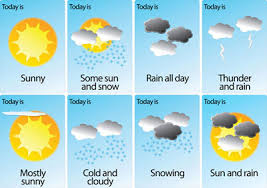
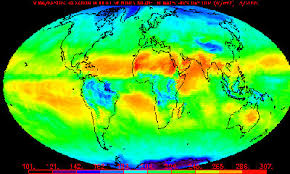
Weather and climate are 2 different things. Weather refers to the atmosphere conditions in a specific area at a specific time; sunshine, fog, precipitation,wind and atmospheric.Climate pressure. refers to the average weather pattern in one place over long time
miércoles, 7 de octubre de 2015

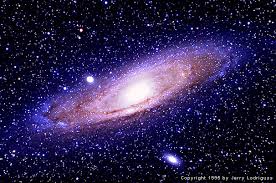
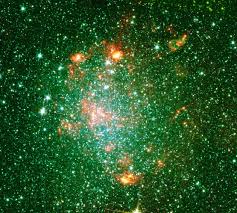
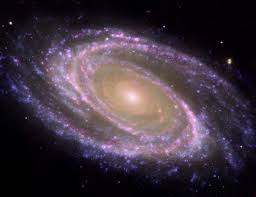
GALAXIES
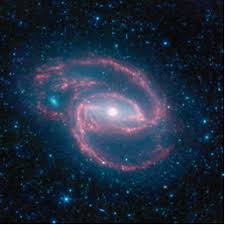
They are a big system of stars, dust and gases held together by the force of gravity. They can have different shapes: irregular, spiral and elliptical. Our Solar System is a tiny part of spiral galaxy called th
e Milky Way. All galaxies are constally moving through space
CONSTELLATIONS
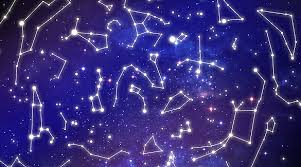
They are a group of stars that make an imaginary shape in the night sky. Some constellations like the Great Bear are named according to the perceived shape.
martes, 6 de octubre de 2015
STARS
They are huge balls of gases(hydrogen helium) where nuclear reactions take place. These reactions produce enormous amounts of light and energy. They can be clasified by 3 characteristics:
- Luminosity
- Size
- Colour
THE UNIVERSE AND THE BIG BANG
The universe includes planets, stars, asteroids, galaxies........No one knows how big the Universe is.
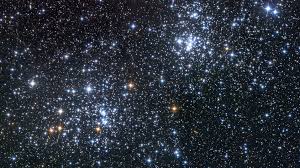 THE BIG BANG
The Big Bang was a enormous explotions. After the Big Bang, matter starts to group together to form celestial bodies.

The Big Bang was a enormous explotions. After the Big Bang, matter starts to group together to form celestial bodies.
SOLAR STORMS
THE SUN
miércoles, 16 de septiembre de 2015
LIGHT YERS
Imagine a highway from the Earth to the Moon. Driving a car with out stoping we will arrive in 160 days. And to the Sun we will arrive in 170 years!
Like you see, the universe is huge and if we use the normal measurement to measure the distances between to space´s bodies, like for exsample kilometres will right huge numbers.That is because the astronomers use different units: the Light Year.
Une light year is the distance that a light lightning go all over a year.
The light is faster than a vehiclel runs more 300,000 kilometres per second. Like this the Sun light only take8 minutes and 20 seconds to arrive to the Earth.
Like you see, the universe is huge and if we use the normal measurement to measure the distances between to space´s bodies, like for exsample kilometres will right huge numbers.That is because the astronomers use different units: the Light Year.
Une light year is the distance that a light lightning go all over a year.
The light is faster than a vehiclel runs more 300,000 kilometres per second. Like this the Sun light only take8 minutes and 20 seconds to arrive to the Earth.
martes, 15 de septiembre de 2015
SOCIAL Unit1 The Universe
WE LIVE IN THE UNIVERSE
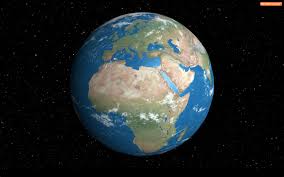
Our planet, the Earth, depend a great part of a star, The Sun,The sun is not the only star if you could travel in a rocket and see the space, we could observe that The Sun is one star more among millions and millions of stars
GALAXIES FULL OF STARS
The stars of the universe group toghether in galaxies. In each galaxy there are stars, and also planets that spin around them and other bodies spin around the planets,
The galaxy that spin around the sun and the planets is called the Milky Way
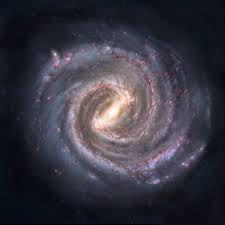
Our planet, the Earth, depend a great part of a star, The Sun,The sun is not the only star if you could travel in a rocket and see the space, we could observe that The Sun is one star more among millions and millions of stars
GALAXIES FULL OF STARS
The stars of the universe group toghether in galaxies. In each galaxy there are stars, and also planets that spin around them and other bodies spin around the planets,
The galaxy that spin around the sun and the planets is called the Milky Way
DECIMAL NUMBERS
A decimal is a number expressed in the scale of tens. Commonly speaking we talk about decimals when numbers include a decimal point to represent a whole number plus a fraction of a whole number (tenths, hundredths, etc.).
A decimal point is a point or dot used to separate the whole part of a number from the fractional part of a number.

domingo, 13 de septiembre de 2015
TYPES OF CELLS
Cells from different parts of our body look different. They have different shapes according to their different funtions.
Muscle cells
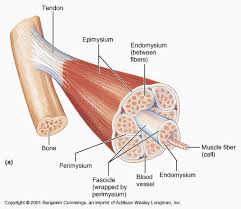
Muscle cells are elongated.
These cells, and the tissues that they form, expand and contract
This allows muscle to move.
Ephithelial cells
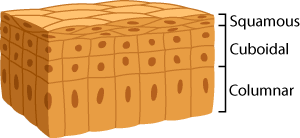 These flat cells line certain areas of the body such as the skin. They insulate the body and protect it
Nerve cells
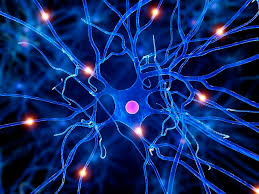 Nerve cells are star-shaped with longextensions or "arms". These cells establish connections and then transmit information to all parts of body.
Muscle cells
Muscle cells are elongated.
These cells, and the tissues that they form, expand and contract
This allows muscle to move.
Ephithelial cells
Nerve cells
UNICELLULAR AND MULTICELULAR ORGANISMS
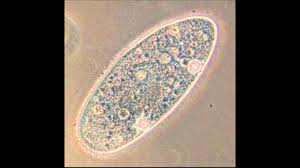
UNICELLULAR ORGANISMS
Living things that are composed of a single cell are called unicellular organisms.Their single cell performs all the funtions needed to live.
MULTICELLULAR ORGANISMS
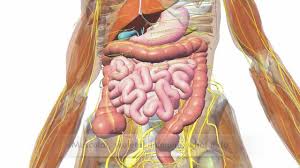
Living things that are composed of two or more cells are called
multicellular organisms. In these living things all the cells are arranged so that the organism can perform the vital funtions.
In mullticellular organisms, cells are grouped to form different levels of organisation. The end result is an organism
Living things that are composed of a single cell are called unicellular organisms.Their single cell performs all the funtions needed to live.
MULTICELLULAR ORGANISMS
Living things that are composed of two or more cells are called
multicellular organisms. In these living things all the cells are arranged so that the organism can perform the vital funtions.
In mullticellular organisms, cells are grouped to form different levels of organisation. The end result is an organism
sábado, 12 de septiembre de 2015
THE CELLS
All living things are made of cells. A cell is the smallest unit of live. It is a living because it performs the three vital funtions:nutrition, interaction and reproduction.
ANIMAL CELL PLANT CELL


ANIMAL CELL PLANT CELL


THE SIZE OF LIVING THINGS
Macroscopic Things
They are living things that we can see with the naked eye.

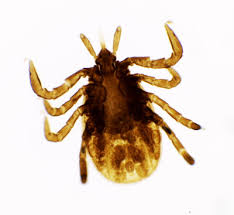
Microscopic Things
They are living things that are so small that we can´t observe them even with magniflying glass. To look at these living things we need an instrument called microscope.
They are living things that we can see with the naked eye.
Microscopic Things
They are living things that are so small that we can´t observe them even with magniflying glass. To look at these living things we need an instrument called microscope.
viernes, 11 de septiembre de 2015
UNIT 1 THE ORGANISATION OF LIVING THINGS
VITAL FUNTIONS


All living things are alike in that they perform specific funtions, called vital funtions. These funtions include:
NUTRITION
The role of NUTRITION is to transform food into simple subtances called nutrients, and get energy from them.

INTERACTION
Interaction is the ability to sense changes in to environment and inside the body, and to REACT to them.

REPRODUCTION
Reproduction enables living things to produce OFFSPRINGS similar to themselves.

MORE CONTENTS AND ACTIVITIES IN: smSaviadigital.com
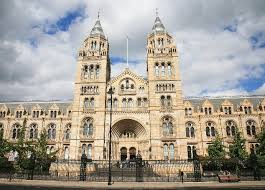
NATURAL HISTORY MUSEUM
The Natural History Museum is one of the places where you can study Natural Science.You can see dinosaurs, curious animals like platipus, polar bears ....minerals, meteorites.......
jueves, 10 de septiembre de 2015
My first class day
Today I start 5th level. I like my new teachers. My new tutor is called Daniel. He is very nice. My Spanish teacher is called Conchita and my basque teacher is called Paola.


MY FIRST ENTRY
Hello I`m Supermaths hero. I love maths because I like make calculations, measure many objets (tables, boxes.......) and weigh my grandfather´s fruits.......


Suscribirse a:
Comentarios (Atom)